
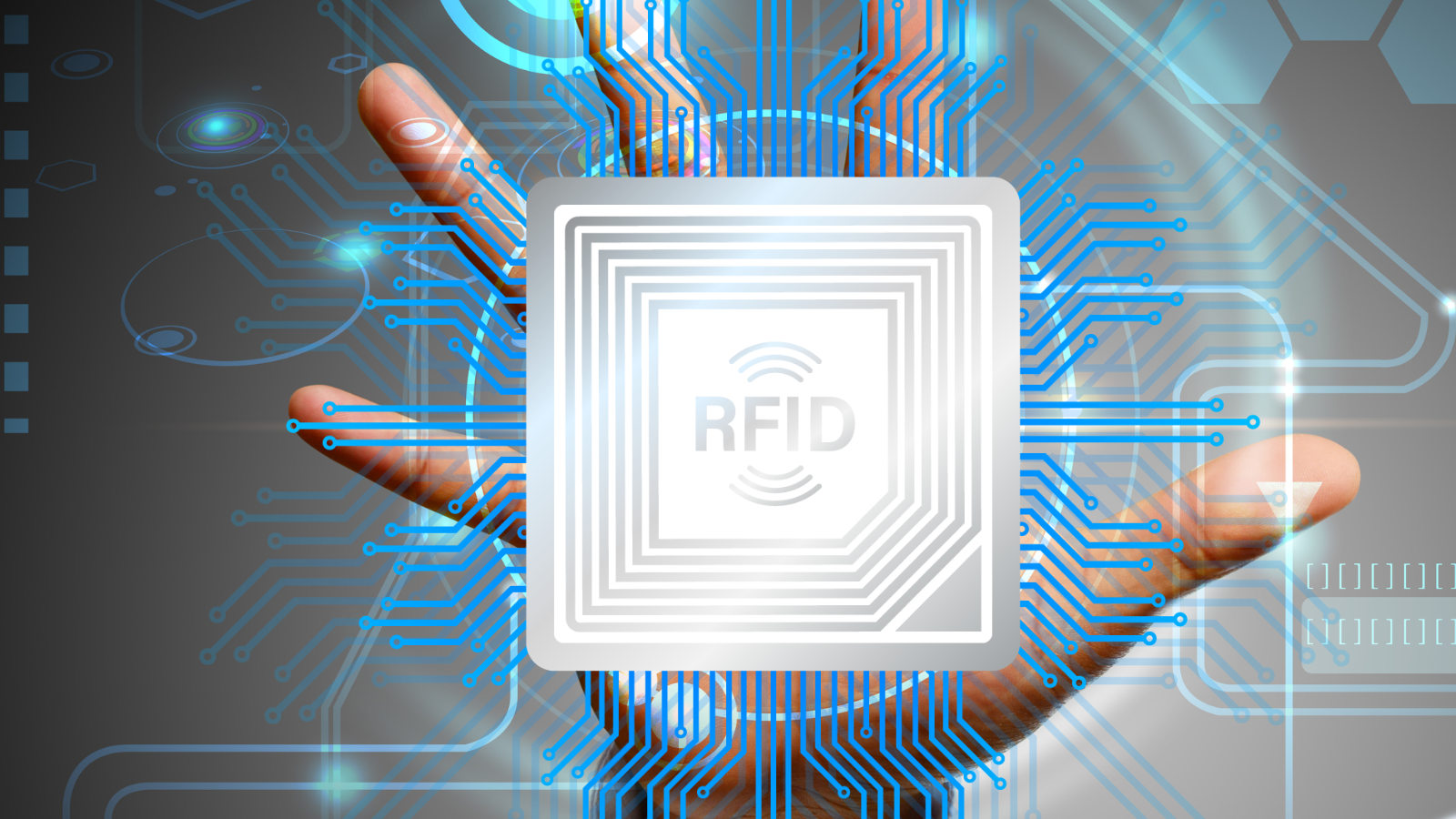
What Are the Different Types of RFID Tags?
RFID tags are becoming a basis on which tracking and management activities could be effectively carried out, supported by the developments unfolding within the modern pace. The use of this RFID technology is revolutionizing business and redefining monitoring modes for assets and managing and smoothening various operations. However, finding the right solution for your needs requires an analysis of the types of RFID tags.
This blog looks at the various RFID tag types, each one with its special features, designed to fit specific applications. If you are contemplating installing RFID, this will come in handy for making educated choices.
What are RFID Tags?
RFID tags are small devices that use radio waves to send information to a reader. An RFID tag is an essential part of RFID systems, which enable an organization to trace items around its premises without direct line-of-sight scanning. Basically, RFID tags store important data about the item to which they are attached, including inventory management, asset tracking, and personnel identification applications.
Types of RFID Tags: An Overview
There are many types of RFID tags for different applications. They can be broadly classified based on their power source, frequency, and physical design. Following are the details:
1. Classification Based on Power Source
1.1 Passive RFID Tags No Internal Power Source:
- These tags depend on the energy broadcast from an RFID reader for sending back an identification code.
- Cost-Effective: Generally cheaper, these tags are suitable for inventory and supply chain management.
- Applications include Retail Inventory, Library Book tracking and Document management.
1.2 Active RFID Tags
- Internal Battery: Includes a battery powering the signal generated from the tag for greater reading distances.
- High performance applications, tracking high-value items that may be mobile
- Tracking vehicles, cargo and employees moving within large areas and structures
1.3 Semi-Passive RFID Tags
- Hybrid Usage : Employ an internal battery powering the microchip where actual radio communication is performed from energy supplied by the interrogating tag reader.
- Applications: Environmental monitoring (temperature, humidity), and medical equipment tracking.
2. Classification Based on Frequency
2.1 Low-Frequency (LF) RFID Tags
- Frequency Range: 30 kHz to 300 kHz.
- Short Range: Typically 10 cm or less.
- Benefits: Resistant to interference and ideal for tracking objects in metallic or liquid environments.
- Applications: Animal tagging, access control, and industrial automation.
2.2 High-Frequency (HF) RFID Tags
- Frequency Range: 3 MHz to 30 MHz.
- Moderate Range: Up to 1 meter.
- Popular Standard: Near Field Communication (NFC) operates within this range.
- Applications: Smart cards, ticketing, and payment systems.
2.3 Ultra-High-Frequency (UHF) RFID Tags
- Frequency Range: 300 MHz to 3 GHz.
- Long Range: Up to 12 meters, depending on environmental factors.
- Benefits: Fast data transfer and large data storage capacity.
- Applications: Supply chain management, warehouse inventory tracking, and logistics.
3. Classification Based on Physical Design
3.1 Paper RFID Tags
- Economical: Lightweight and cost-effective for one-time use.
- Applications: Retail packaging, event tickets, and transit cards.
3.2 Hard RFID Tags
- Durable: Constructed to operate under extreme conditions, such as high temperatures and moisture.
- Applications: Industrial equipment, automotive parts, and outdoor asset tracking.
3.3 Embeddable RFID Tags
- Compact: Designed to be installed inside objects or materials.
- Applications: High-value asset tracking, jewelry management, and medical implants.
3.4 Tamper-Proof RFID Tags
- Security-Focused: Destroyed upon tampering, ensuring asset authenticity.
- Applications: Secure document tracking, anti-theft systems, and pharmaceuticals.
Benefits of Choosing the Right RFID Tags
RFID tags designed for your business needs come with a host of advantages such as:
- Efficiency Improved: Automates data collection, reducing manual effort.
- Better Accuracy: Reduces chances of errors in asset tracking and inventory management.
- Real-time Insights: Asset location and status are updated instantly.
- Scalability: Suitable for businesses of any size.
Applications of RFID Tags Across Industries
1. Retail
- Inventory Management: Use RFID tags to enhance stock accuracy by tracking it in real-time.
- Customer Experience: Speed up checkout processes using RFID-enabled smart carts.
2. Healthcare
- Medical Equipment Tracking: Avail and maintain medical devices with the help of types of RFID tags.
- Patient Safety: Keep track of patient location and medication administration.
3. Manufacturing
- Supply Chain Optimization: Increase visibility and efficiency in production and logistics.
- Tool Tracking: Ensure proper utilization and maintenance of tools.
4. Logistics and Warehousing
- Fleet Management: Track vehicles and shipments using active RFID tags.
- Inventory Accuracy: Streamline warehouse operations using UHF RFID tags.
5. Hospitality and Event Management
- Asset Tracking: Monitor furniture, linens, and other hotel assets.
- Event Access: Seamless entry using NFC-enabled RFID tags.
How Acube Infotech Can Help
At Acube Infotech, we provide RFID solutions that can be designed and customized to suit different industry requirements. Our experts can guide you on choosing the appropriate types of RFID tags that would help you to optimize your operations, reduce costs, and thereby enhance your overall efficiency.
From inventory management in retail to tracking assets in healthcare, our RFID solutions have been designed to meet the challenges faced by businesses in today’s dynamic world.
Conclusion
Understanding the various tag types is vital to using RFID technology to its fullest. Whether your company needs a passive tag for tracking inventory or an active tag to enable real-time monitoring, choosing the right solution could greatly improve efficiency and accuracy.
Partner with Acube Infotech for innovative RFID solutions that are going to make your enterprise operations much easier and smooth, thereby improving your bottom-line results. Reach out to learn how we can help attain your business objectives.
Join the smart way to do asset tracking with Acube Infotech—your credible RFID technology partner!